Q&A
This is the full Q&A from RetroGamer, from the Nightstalker preview article in RetroGamer 280.
Q. When did the idea begin for a Castlevania-style game?
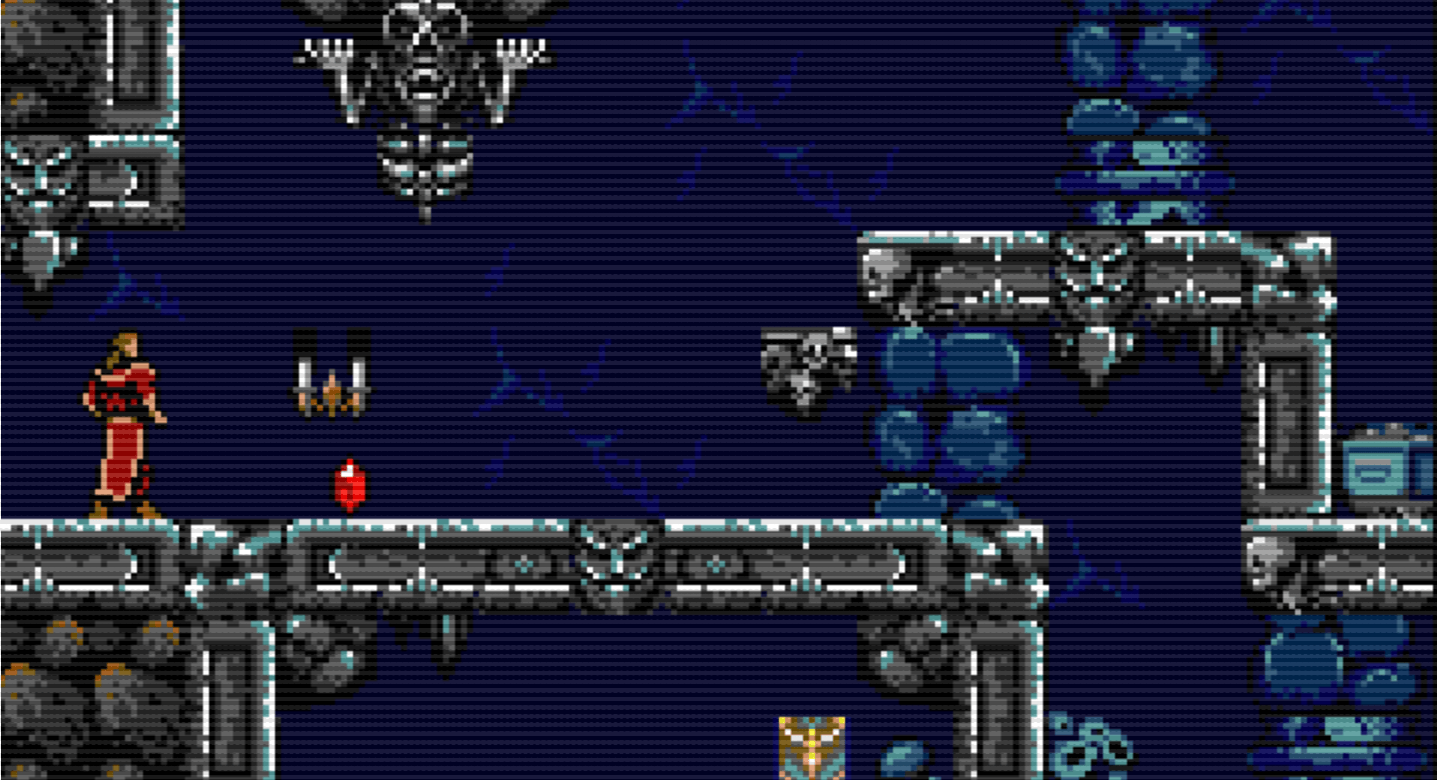
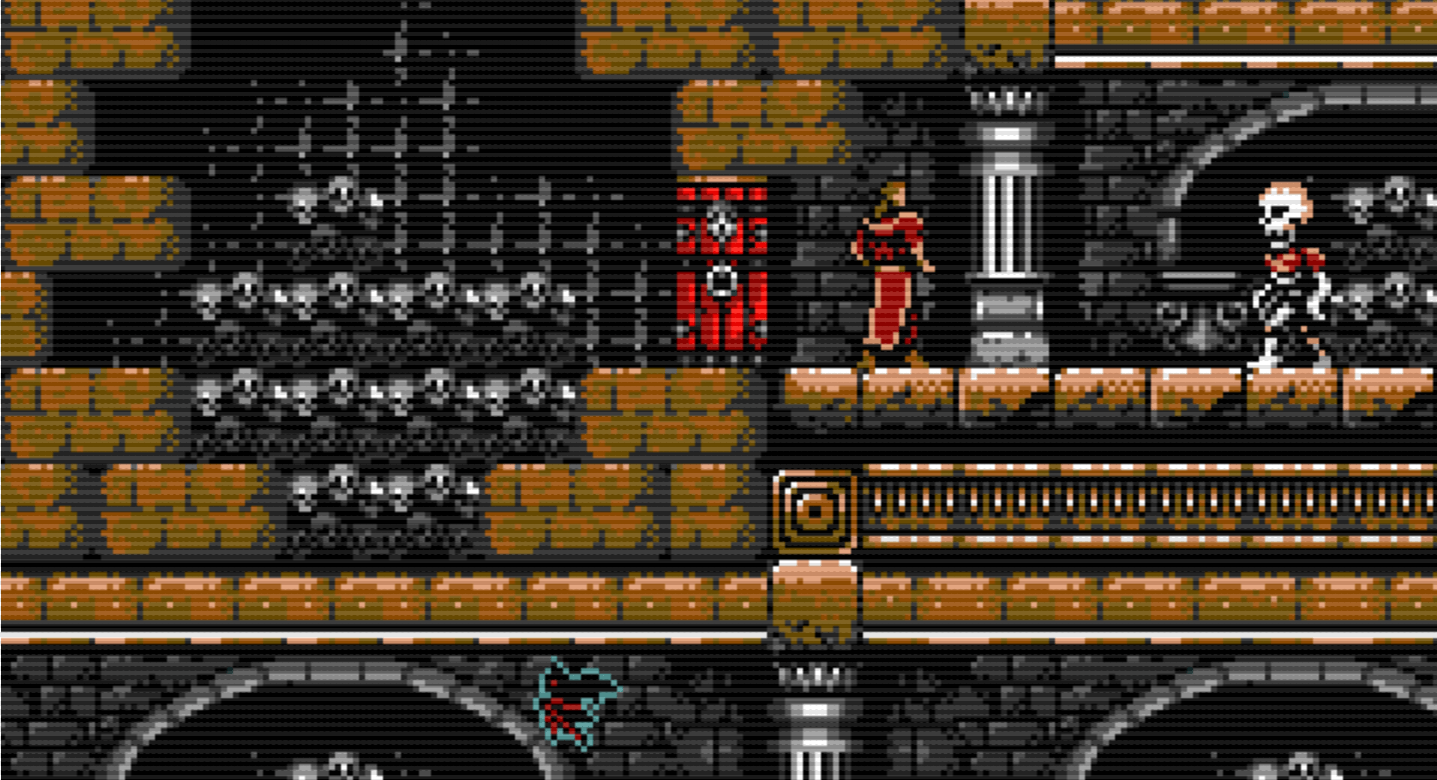
Nightstalker started back in March 2024, when Frederik started experimenting with a "Castlevania MSX concept" engine, of which you can still find the videos on Youtube. Frederik always loved the Konami Castlevania series like Super Castlevania, Bloodlines and of course Symphony of the Night. They are awesome platform games with excellent, atmospheric graphics and music. The MSX version, Vampire Killer, is nice, but it’s hard to play and lacks scrolling. The gameplay could be better too. A homebrew game more like the proper Castlevania games has never been made on MSX. Therefore it seems to be a great challenge to try and see what is possible nowadays on the MSX.
With that in mind, together with some ignorance about being able to complete such a game, or even surpass Vampire killers quality, Frederik started experimenting. He tried to create a Castlevania-like engine to make a better version of the game on the MSX than we got. After multiple WIP videos on Youtube and flying solo for a few months, the project gained interest from Jorrith, who dragged in Joël and ultimately also Patrick. Together they form Bad Landed and what eventually became Nightstalker, but the seed started with Frederik's passion to create a proper Castlevania game on the MSX.
Q. What is the target hardware?
We want to keep the game accessible for as many players as possible, including the Japanese market, where MSX computers typically have less RAM. Our target hardware is any MSX2 with 64kB RAM and 128kB VRAM. We’re aiming for a physical release on the MSX with a Yamanooto cartridge, which provides not only 8MB of ROM, but also PSG and SCC sound. So basically all you need is an MSX2 and the cartridge. The Yamanooto cartridge is also used to store the save games.
Q. What development tools and utilities are you using?
All of the programming work happens on the PC, with a combination of VSCode, sjasm for the compiler, github for SCM and extensive use of openMSX and all its debugging tools.
For conversion of data (sprites, graphics, tiles/maps), generating pre-computed data and the dialog scripts we created Python and Matlab scripts. Matlab is also used to optimize the VRAM layout in various parts of the game.
Levels are designed with a combination of Tiled (PC) and lots of Notepad. Notepad also does a lot of the heavy lifting in general game design and tweaking of parameters.
Graphics were originally made with GraphicsGale but later on in the development process, we switched to AseSprite to allow multiple people to contribute to the graphics when necessary.
For the audio, all music is being made with Trilo Tracker SCC. All music is composed on an MSX computer with a Yamanooto cartridge, to present the most accurate sound quality and audio balance. We had to modify the replayer in order to work on SCC+, removing the limitation that SCC channel 4 and 5 share the same waveform and to allow for PCM sample playback during gameplay.
Sound effects are made for the PSG with ayFX, a simple Windows tool that makes making sound effects rather easy.
The game also features PCM samples, with a spoken voice over in the demo(s), in-game voice samples for player actions as well as for casting magic spells. These PCM samples are supported using two different encoding algorithms, one using multiple SCC channels, able to reproduce audio sampled up to 9,6KHz, another specific for human voice, using a single SCC channel. Encoders and players are custom made by Arturo.
Q. How are the levels designed?
Vibes, mostly. We have a rough outline of where a level is from the game document (nicknamed "the bible"), both in story and physically, and then we start building interesting routes, puzzles and encounters in there. We try to give every level an identity so it’s not just the same thing with different graphics. Then iterate, iterate, iterate until you hate the level, the game and everybody involved and other people say it’s fun ;)
Having a clear initial scope and overall direction from the game document gives us guidance and helps us keep on track and keeps the scope clear, while still providing enough freedom and creative liberties where it makes sense.
Q. Who is responsible for the graphics and sound?
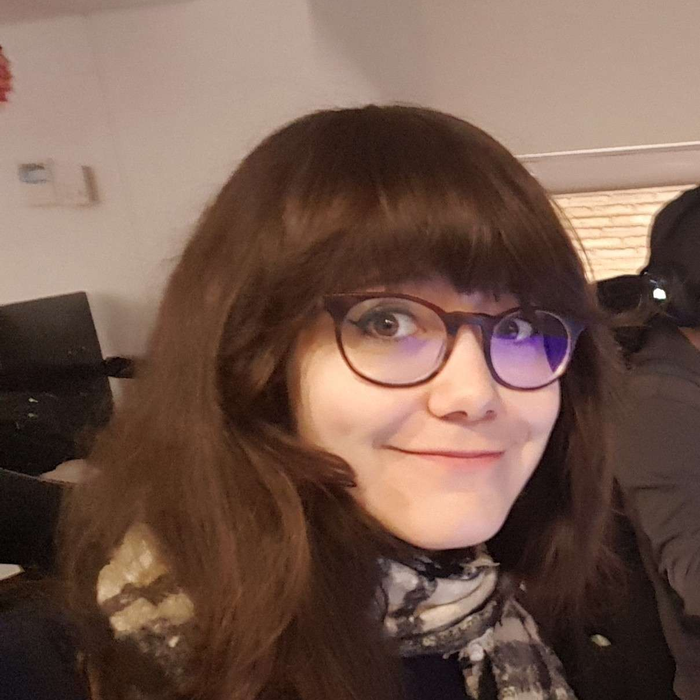
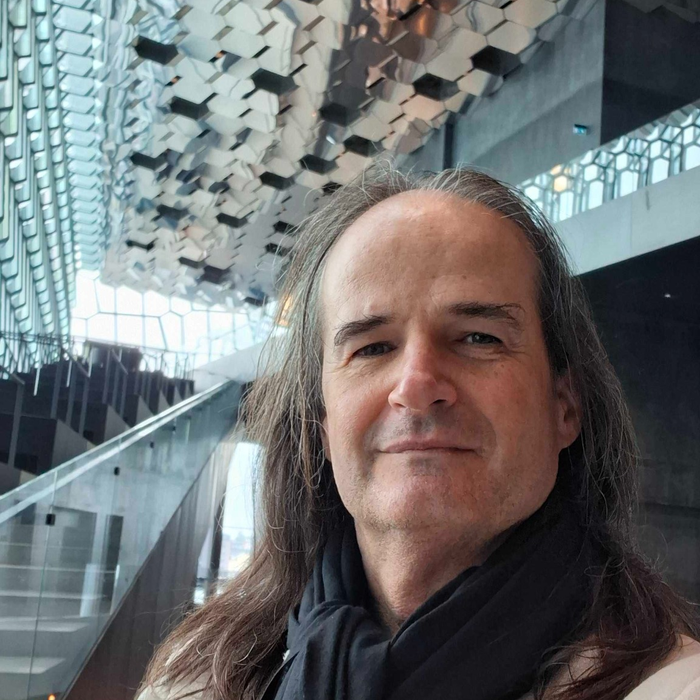
Main graphics artist is Joël Verdonck (from Belgium), music is handled by Jorrith Schaap (from the Netherlands). Coincidentally, Joel and Jorrith worked together before on the MSX2 puzzle game Tiny Magic, which was released in 2023. Since that collaboration went well, continuing working together on Nightstalker made a lot of sense.
Joël has been working on graphics and code from the mid 90s and was one of the prominent members of the Abyss and IOD groups. Back in the day he was mostly developing demos and working on a few small games, doing graphics work on the side.
Jorrith has been involved in making music for MSX games and other software since the mid 90s, with a lot of the different soundchips that the MSX system offers, typically through various sound expansions.
For Nightstalker, the Konami SCC chip was selected. Konami was a highly valued developer on the MSX system, and they developed and used the SCC chip in a lot of their hit games and best sellers for the system. Because the MSX “Konami sound” was heavily dictated by the combination of SCC and PSG, that’s what we went with. Having a great tracker for the MSX available, Trilo Tracker SCC, that can create Konami-level music, this was a no-brainer choice.
The original vision for the graphics and music was to create something akin to the typical Castlevania style, and specifically in the direction of Symphony of the Night, but due to the limitations of the MSX and sound chips, that idea had to be dropped. Instead we try to honor the typical Castlevania influences yet still give it our own twist.
Q. Who else is involved in making the game?
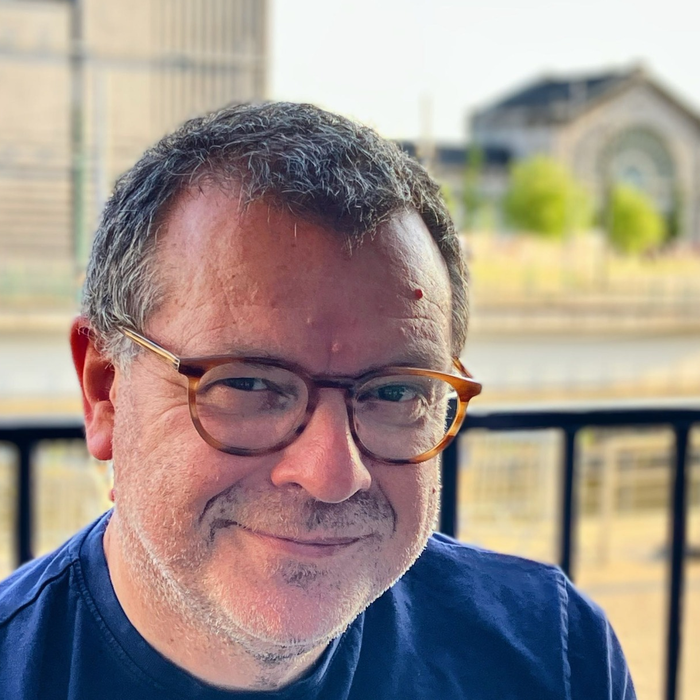
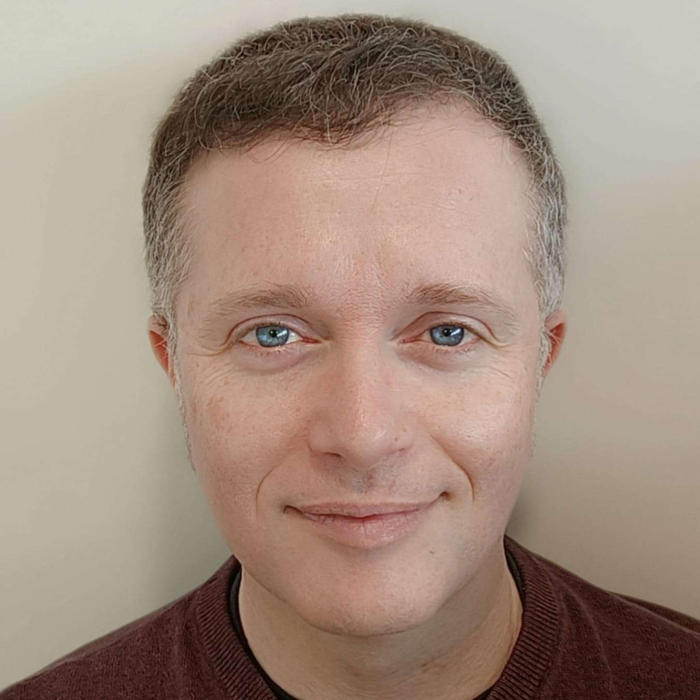
The main group also consists of Frederik Boelens from the Netherlands, Arturo Ragozini from Italy (programming) and Patrick Smeets from the Netherlands (game and level design). All of us have worked on and released MSX games before, but never quite to the scope and ambition of what we are trying to achieve with Nightstalker.
Even though every team member has their own specialty, it’s a real group effort where almost everybody crosses the line between their main responsibility and the other roles frequently.
Apart from the core team, we also have a few testers from the MSX community that help us test the game and provide us with valuable feedback about playability, bugs and other things that need some more polish.
Q. Have you come up with any new mechanics or ideas beyond the Castlevania template?
We try to take it further than the older (pre-SNES) Castlevanias did, definitely, but that is already taxing the old MSX2 hardware so much there’s not a lot of wiggle room for other things. We are routinely running out of room to do what we want, so it’s a constant struggle. The main reason for this is that horizontal scrolling on a regular MSX2 is taking the CPU and VDP to its limits.
Q. Will there be a physical version of the game as well as a digital download?
Yes, definitely. It’s a dream come true for us to have a big box cartridge release, just like we played back when we were young. This is the first format we will distribute the game in. Next to the physical release, we are also considering a digital download. After the trailer was released, we received a lot of interest from people outside the MSX community, and we would like to enable people without MSX hardware to also play our game on an emulator.
Q. When do you hope to release the game?
We aim to have the game finished somewhere in (late) 2026. This is a project we do in our free time, and sometimes life gets in the way. There’s a lot of small details and polish that take up a lot of attention. We want to do this game justice and make it into something we can be really proud of, and that just takes a lot of time and effort.
Q. Do you have any other projects in development?
No, due to the scope and ambitions we have with Nightstalker, there is unfortunately no room for any other projects. Especially considering we do this in our free time and between other life demands, this is already rather challenging. Besides that, we want to keep our focus on Nightstalker and don’t want to get distracted from finishing it.
Q. What would be your dream project to work on?
Actually, for Frederik, this is a dream project, but he'd like to continue making more indie/homebrew games in the future. For Jorrith, Nightstalker is definitely up there, but something in the vein of SD Snatcher would really be a dream come true.
Q. Would you ever work on other formats, or consider a Nightstalker conversion to another machine?
Yes. We have tentative ideas to try a release on Steam or a similar platform, but for now our main focus is to finish the MSX version.